
Enhancing Sustainable Water Supply…
Category:AgricultureQuick Facts:
- Location: Rural areas in Southern Highlands and beyond (e.g., Njombe, Morogoro, Arusha regions)
- Timeline: April 1, 2025 – February 29, 2028
- Beneficiaries (Target): 15,000+ households, 450 farmers, 150 artisans, 100 youth
- Funder: Skat Foundation (Switzerland)
- Aligned with: SDG 2 (Zero Hunger), SDG 6 (Clean Water), SDG 13 (Climate Action)
The Challenge
Rural Tanzanians face severe water scarcity, aging infrastructure, and climate change impacts like droughts and soil degradation, which threaten food security and livelihoods. Over 10,000 households already benefit from SHIPO’s past self-supply efforts, but challenges persist: limited access to sustainable pumps, low youth involvement in agriculture, insufficient skills in eco-friendly farming, and environmental pressures from deforestation and poor land management. These issues hit vulnerable groups hardest women, disabled individuals, and smallholder farmers leading to low productivity, health risks, and economic vulnerability.
As one farmer shared: “Without reliable water year-round, our crops fail, and families struggle. Climate change makes it worse we need skills and tools to adapt.”
Our Approach
SHIPO collaborates with communities, artisans, youth, and partners like VETA, RUWASA, and government bodies to integrate affordable SMARTecs (Simple, Market-based Affordable Rural Technologies) with agroecology.
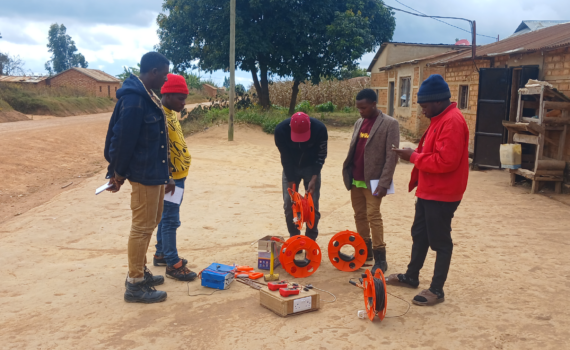
- Capacity Building & Training Training 150 farmers annually in agroecological practices (e.g., organic farming, water-efficient irrigation) linked to SMARTecs; certifying 50 artisans in advanced borehole siting and solar pump installation; developing VETA approved teaching materials for rope pump curriculum.
- Pump Maintenance & Rehabilitation Conducting workshops in 50 villages to maintain older rope pumps; establishing local spare parts supply chains with entrepreneurs for long-term functionality.
- Youth Engagement Organizing innovation challenges and apprenticeships for 100 Generation Z participants in water and agriculture tech; fostering entrepreneurship in sustainable solutions.
- Awareness & Resource Management Running climate change campaigns in 30 communities; training 200 farmers and drillers in integrated water/land management; promoting moringa tree farming and agroforestry for environmental restoration.
- Sustainability Focus Prioritizing community ownership, gender-inclusive participation (e.g., targeted training for women), and integration into national systems like RUWASA databases.
Results & Impact
Building on SHIPO’s 24+ years of experience, early progress in Year 1 (2025–2026) includes initial trainings and installations with full targets by 2028:
- Water Access: Improved functionality of water points for 15,000 households, enabling year-round clean water for domestic use and income generation.
- Skills Building: 450 farmers trained in agroecology; 150 artisans certified and equipped for local businesses.
- Youth Empowerment: 100 young innovators engaged, creating a pipeline for future leaders in climate-resilient sectors.
- Environmental Wins: Increased moringa and agroforestry adoption in 30 communities, aiding carbon sequestration and soil health.
- Broader Goal: Rope pump curriculum approved at VETA level for nationwide scaling.
Stories from the Ground
“In our village, the new rope pump means we can irrigate crops even in dry seasons. The training helped me switch to organic methods now my yields are up, and I’m teaching my neighbors.” ~ A smallholder farmer from Njombe, trained in Year 1.
Youth participants are innovating too: One Generation Z apprentice designed a low-cost solar pump adapter, now piloted in local farms, showing how young voices drive change.
Transparency & Learnings
We monitor quarterly via progress reviews, annual assessments, and community feedback, with sex disaggregated data to ensure equity.
Key lesson so far: Local supply chains boost ownership challenges like weather delays are met with adaptive planning.