
Boresha Elimu Mbozi
Category:EducationQuick Facts
- Location: Mbozi DC, Songwe Region (Wards: Igamba, Magamba, Itumpi, Isansa, Shiwinga)
- Timeline: Started September 2019, still ongoing
- Beneficiaries Reached: 15,500+ (Pupils, teachers, parents, committees)
- Funded by: Pestalozzi Children Foundation (Switzerland)
- Aligned with: SDG 4 ~ Quality Education
The Challenge
In rural Mbozi District, many children face barriers to quality education. Schools struggle with low attendance; boys often miss classes for farming or chores, while girls frequently stay home during menstruation due to lack of facilities and support. Parents and communities have limited awareness of child rights and the long-term value of education, leading to child labour, high dropout rates (around 3% in target schools), and poor academic performance in early grades (reading, writing, arithmetic).
These issues stem from poverty, reliance on subsistence farming, insufficient teaching materials, untrained school management, and weak community engagement, all hindering Tanzania’s goal of inclusive, quality education for every child.
Our Approach
We work hand-in-hand with communities, schools, and local government to create lasting change at multiple levels.
- Community Engagement & Awareness Conducted 1 day awareness meetings in all 20 villages (reaching 2,588 parents and community members in 2019) on child rights, education importance, and protection. Formed and trained Child Protection Committees at village and ward levels (February 2020 and ongoing).
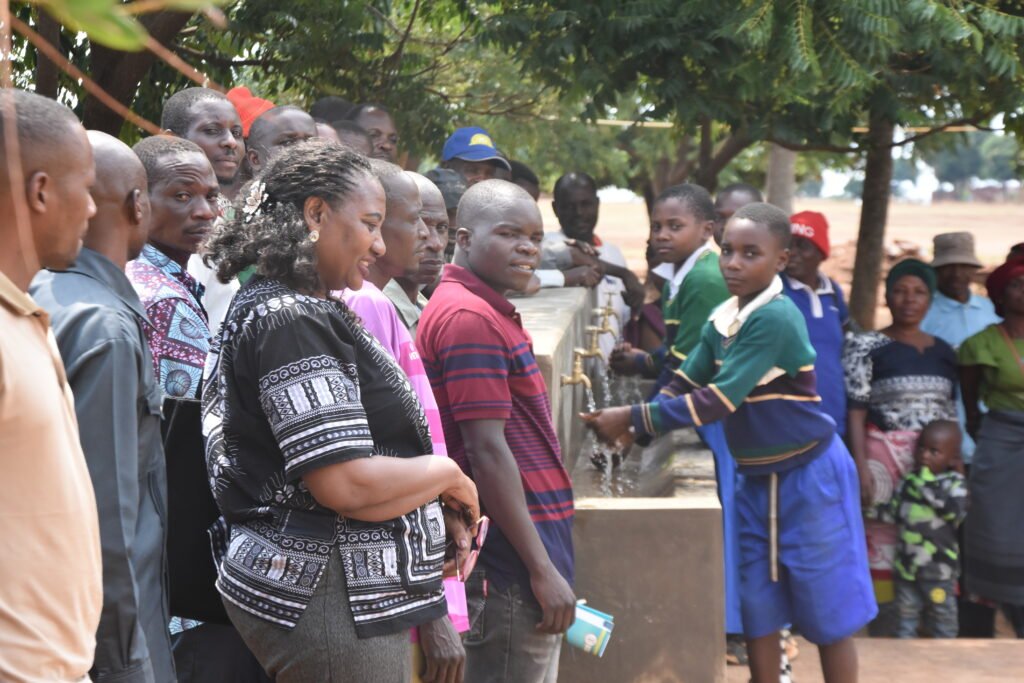
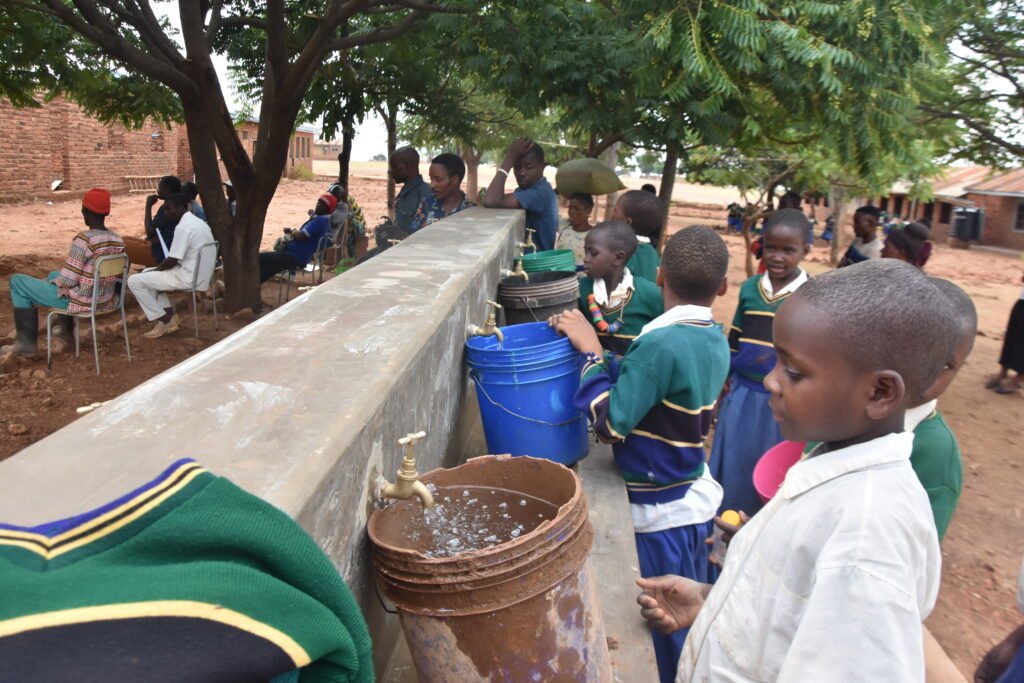
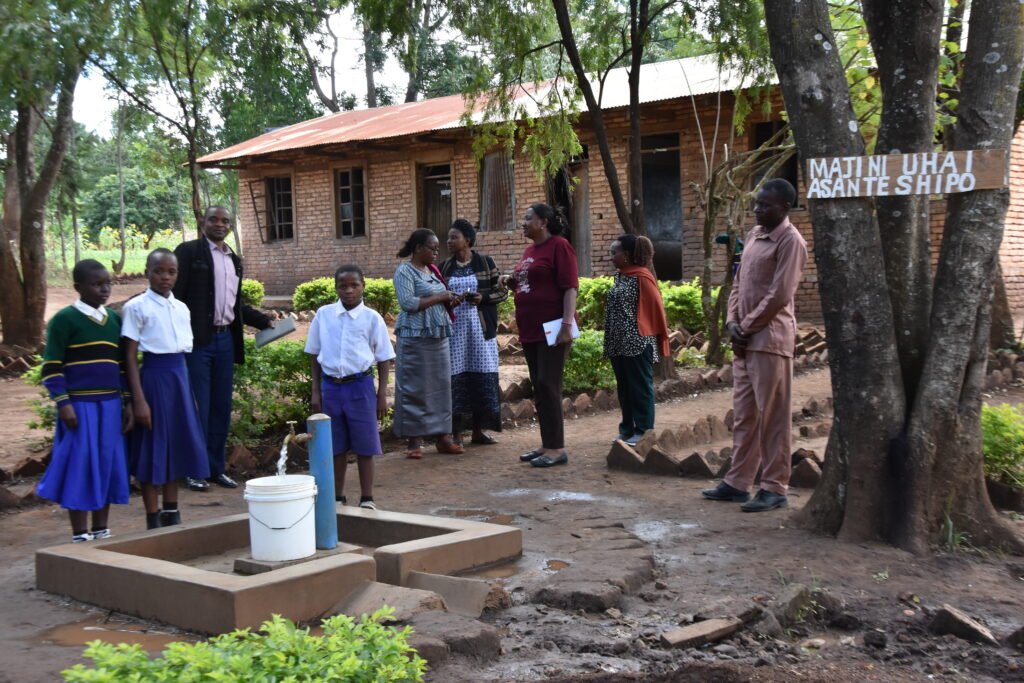
- Empowering Children & Increasing Attendance Established 20 Girls Clubs (280 members), 20 Child Rights Clubs (400 members), and 20 Health/Environmental Clubs (400 members) in schools giving children a voice and promoting hygiene, gender equality, and environmental care. Sensitized families on menstrual hygiene management (MHM) and rehabilitated facilities (e.g., constructed latrine blocks with changing rooms and installed 10 water wells with rope pumps in schools).
- Boosting Teaching Quality Delivered targeted trainings to 182 teachers (STD I~VII) on 3Rs (reading, writing, arithmetic), improvisation of materials, child rights, and participatory methods in partnership with teacher colleges and district experts.
- Strengthening School Management Trained school directors, committees, and management on leadership, governance, supervision, and school development planning improving oversight and sustainability.
- Sustainability & Advocacy Built partnerships with district authorities, ward officers, and government departments. Advocate for policy implementation (e.g., national Education Policy, child protection plans) through MoUs and sharing lessons at national events.
Results & Impact
Early progress shows real momentum and we’re building on it:
- Attendance & Retention: Baseline attendance ~86%, dropout ~3%, retention ~97% in target schools. Clubs and awareness efforts are reducing absenteeism (e.g., from 4~7% in some schools).
- Community Reach: 2,588+ participants in awareness sessions; 410+ Child Protection Committee members trained.
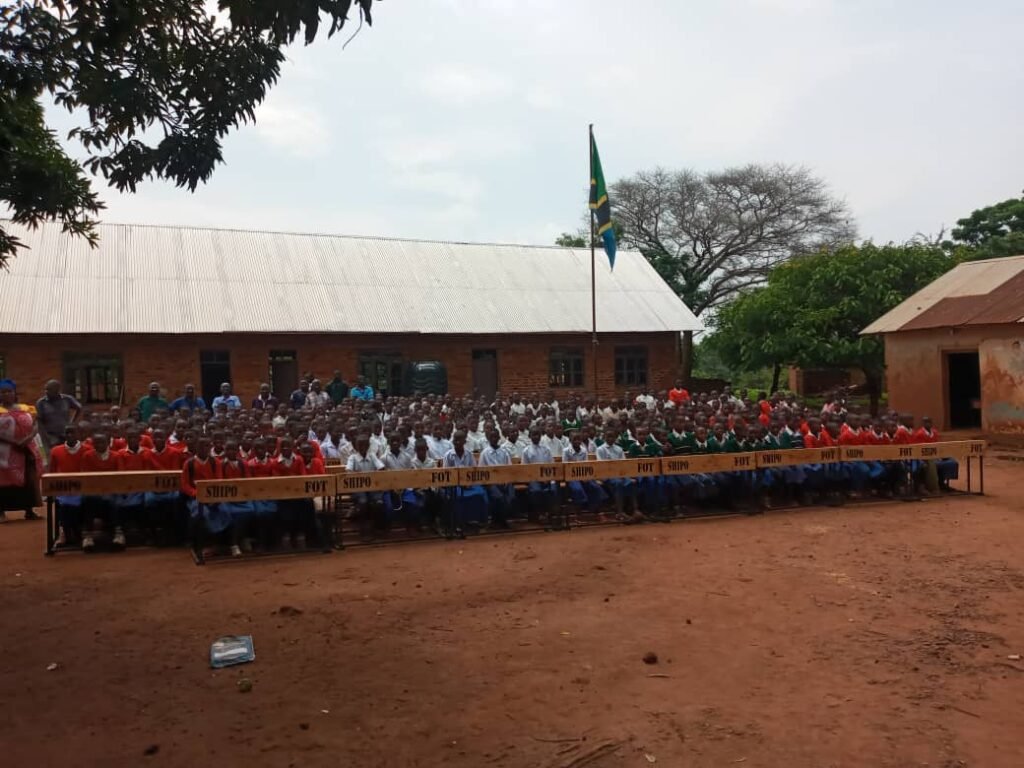
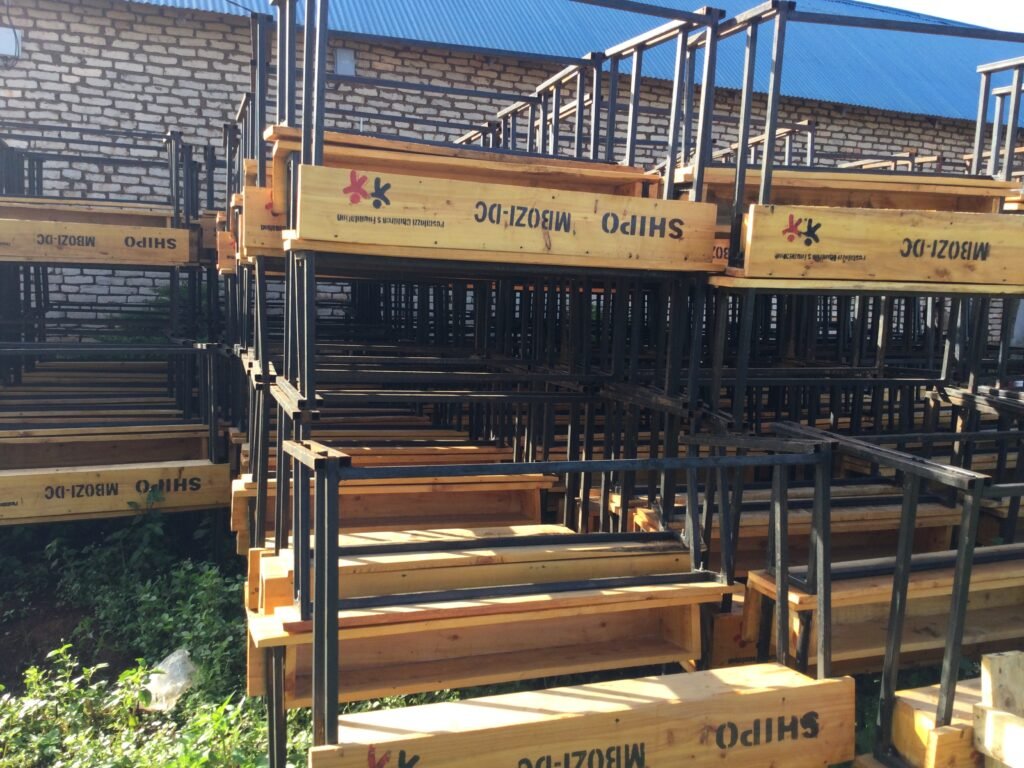
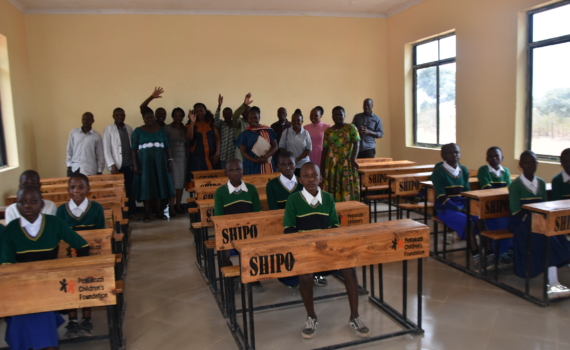
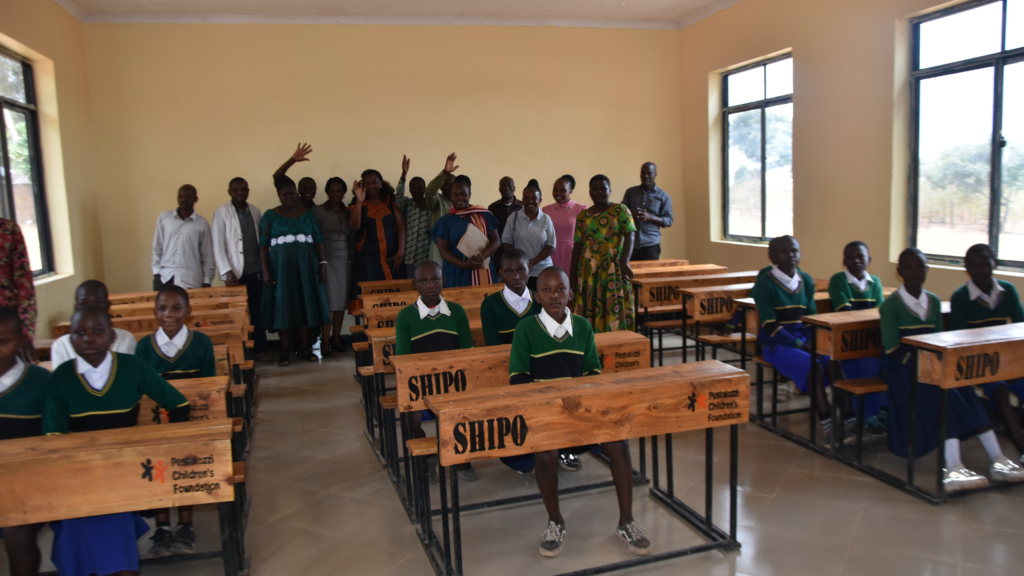
- Infrastructure Wins: New latrines, water points, and furniture improving learning environments especially for girls.
- Teacher & Management Capacity: Hundreds trained, leading to better lesson delivery and school plans.
- Long-Term Goal: Higher primary completion rates, improved early-grade skills, and empowered communities owning education outcomes.
Stories from the Ground
“Before the project, many girls missed school every month because of no proper facilities or understanding at home. Now, with the Girls Club and new changing rooms, they feel supported and come to school regularly.” ~ A teacher from one of the 20 partner schools.
Children in Child Rights Clubs are speaking up about their rights, while parents who attended meetings now contribute more to school needs and monitor child protection.
Transparency & Learnings
We track progress transparently via regular monitoring (weekly/quarterly visits, Visible Impact tools) and reports to funders/district. Key lesson: Community-led structures (clubs, committees) ensure ownership and sustainability far beyond one-off trainings.
Challenges like relocation of trained staff are addressed through ongoing capacity building and partnerships.