
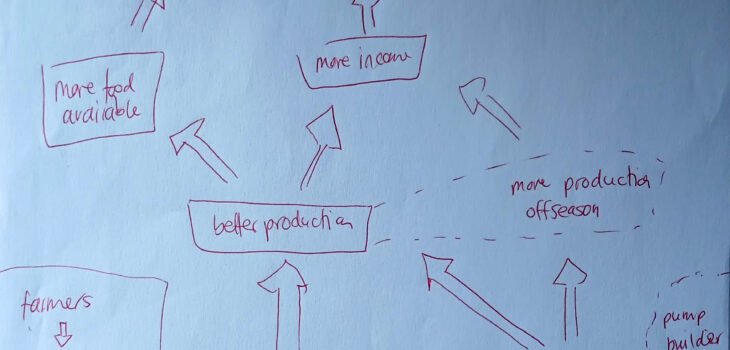
OVERVIEW: THE SF TANZANIA CASE STUDY, 2025–2026
The Southern Highlands Participatory Organisation (SHIPO), in collaboration with the Skat Foundation, is embarking on a vital research initiative in the Njombe Region. As part of the global Sufosec Alliance Impact Study, we are conducting a specialized case study to understand how combining improved water access with organic farming techniques changes lives.
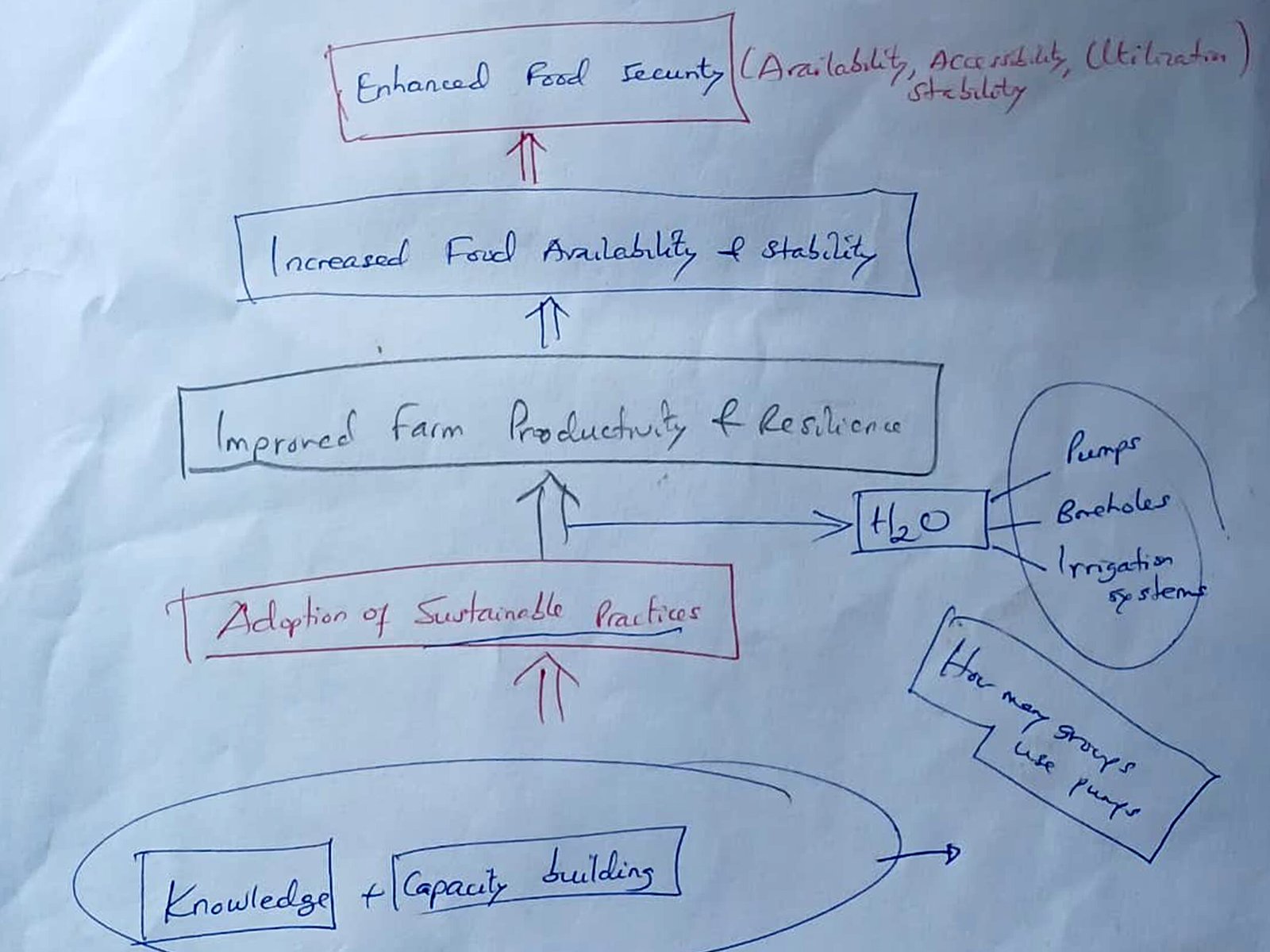
While the global alliance studies food security broadly, SHIPO’s study is unique. We are investigating a specific “pathway” to impact: Does combining agroecology with “Self Supply” water infrastructure lead to better food security than farming alone?
THE CHALLENGE: FARMING THROUGH THE DRY SEASON
In the Njombe Region, smallholder farmers face a critical challenge: a long dry season (May to October) that severely limits agricultural productivity.
- Water Scarcity: Many families rely entirely on rainfall or traditional sources that dry up, forcing them to abandon farming for half the year.
- Gender Burden: Women often bear the responsibility of collecting water, walking long distances that take time away from farming and family care.
- Limited Diversity: Without reliable water, farmers are often stuck growing only maize and beans, limiting their income and dietary diversity.
OUR SOLUTION: THE “SELF SUPPLY” APPROACH
Since 2012, SHIPO has championed the “Self Supply” project. We don’t just teach farming; we build the infrastructure to sustain it. Our intervention includes:
- Water Infrastructure: Training local drillers to create boreholes and artisans to produce rope pumps, alongside installing drip irrigation systems.
- Agroecological Training: Through Farmer Field Schools (FFS), we have trained 40 lead farmers (75% of whom are women) in organic techniques like bio-fertilizers, intercropping, and mulching.
- Learning Gardens: We have established 15 community learning gardens to demonstrate how water-efficient technologies can grow high-value vegetables and fruits even during dry spells.
THE RESEARCH: HOW WE ARE MEASURING IMPACT
Targeting 150 households in Njombe, including our 40 lead farmers; this study uses a rigorous mixed-methods approach to validate our work.
1. Quantitative Survey (November – December 2025)
We will conduct a comprehensive survey using digital tablets to collect data on:
- Food Security: Using the Food Insecurity Experience Scale (FIES) to measure hunger levels.
- Diet Quality: Using the Minimum Dietary Diversity for Women (MDD-W) indicator to see if improved water access leads to better nutrition for women.
- Water & Soil: Measuring soil moisture retention in our learning gardens compared to conventional plots.
2. Qualitative Deep-Dive (February – April 2026)
Numbers only tell half the story. We will conduct In-Depth Interviews, Key Informant Interviews, and Focus Group Discussions to understand the human experience. We specifically aim to document how these interventions impact gender equality, for example, does having a well at home give women more decision-making power?
OUR PARTNERS
This study is a collaborative effort involving local and international expertise:
- Skat Foundation (Switzerland): Providing strategic guidance and funding.
- Sokoine University of Agriculture (SUA): Providing technical support, enumerator training, and data analysis.
- Sustainable Agriculture Tanzania (SAT): Supporting with agroecological technical expertise and advocacy.
WHY THIS MATTERS
The results of this study (expected in early 2027) will do more than just evaluate a project. They will provide evidence-based recommendations for policymakers to support integrated water-agriculture programs. By proving that Water + Ecology = Food Security, we hope to scale these solutions across the Southern Highlands and beyond.
GET INVOLVED
Are you interested in our research or our Self Supply training? Click here to contact the SHIPO office in Njombe for more details.
For media inquiries regarding the Sufosec Impact Study, please contact our Study Coordinator, Mr. Ibrahim Gambaseni.

